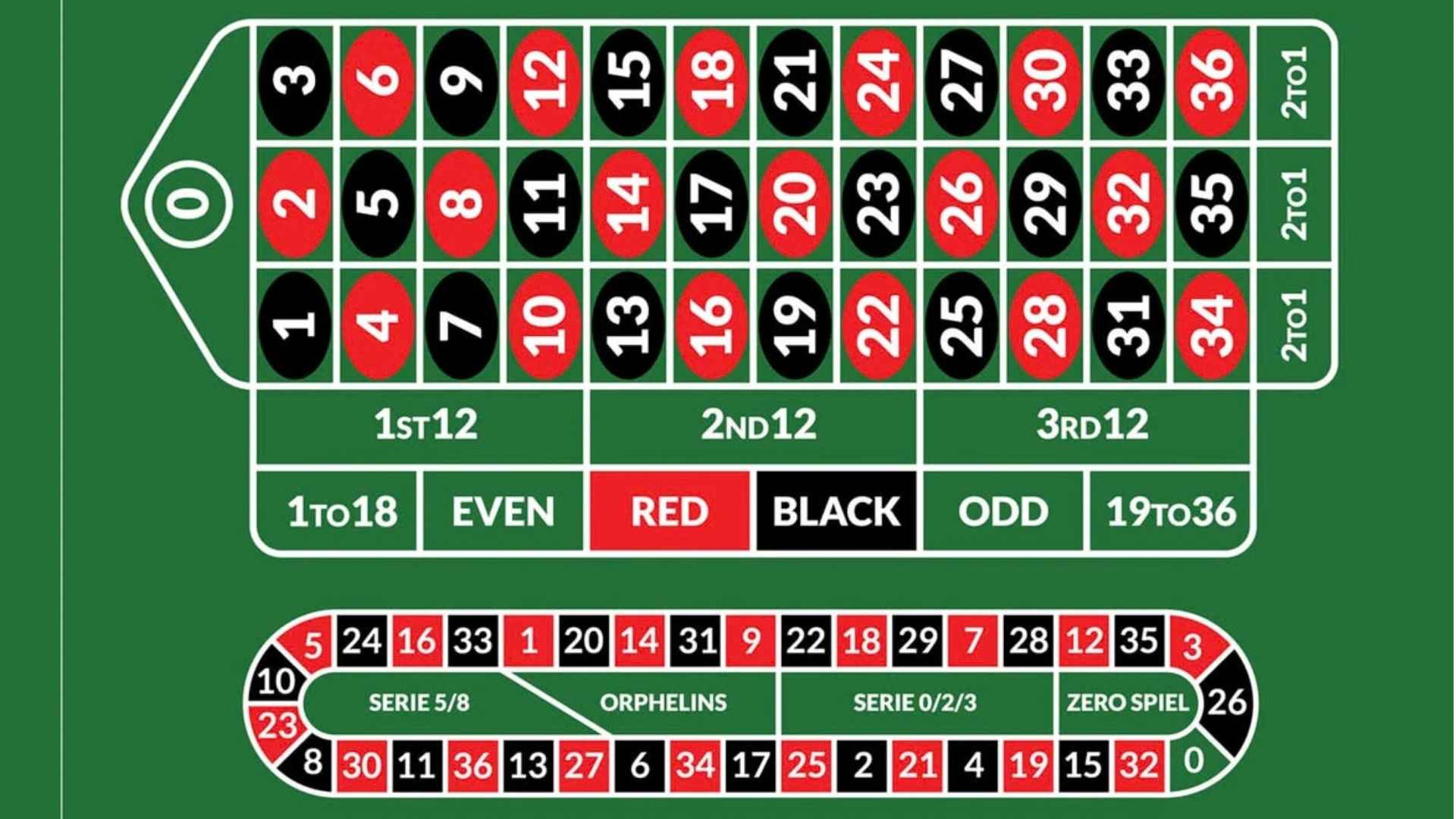
Visual elements play a fundamental role in shaping how players perceive and experience interactive games, especially when chance-based mechanics are involved. The physical and artistic presentation of a spinning wheel sets the overall tone, altering the psychological impact of every turn. By carefully adjusting colors, proportions, and motion dynamics, game developers can evoke feelings ranging from quiet contemplation to intense excitement.
The Emotional Impact of Color Palettes
Color choices instantly communicate the underlying atmosphere of a game to the player before any action takes place. Bright, saturated hues like yellow and crimson create an energetic environment that builds quick excitement during gameplay. Conversely, muted pastel tones or deep navy shades establish a calm and strategic environment where players feel less pressure.
Understanding how visual contrast highlights important rewards helps developers direct player focus without feeling overly forceful. Warm tones naturally draw attention toward special segments, increasing anticipation as the indicator approaches them. This thoughtful distribution of color ensures that the visual experience remains engaging throughout long sessions.
Pacing and Deceleration Mechanics
The speed at which a wheel rotates directly controls the rhythm of player emotion during a session. A rapid spin followed by a sudden stop creates a fast-paced environment suited for casual entertainment. On the other hand, a prolonged, gradual deceleration builds dramatic tension, forcing players to track every passing segment with heightened awareness.
Audio cues combined with fluid physical animation amplify this effect, turning a simple mechanical spin into a narrative moment. Many contemporary titles, including popular interactive formats like m88 slot games, utilize precise timing to enhance feedback and elevate satisfaction during crucial reveals. Balancing fast movement with suspenseful slowdowns prevents player fatigue while maintaining strong immersion.
Symmetry and Segment Proportions
The geometric layout of a wheel heavily influences a player's perception of fairness and opportunity. Equal slices promote a sense of balance and calm predictability, encouraging a relaxed mindset. In contrast, asymmetrical designs featuring tiny jackpot sections alongside large common areas create an thrilling feeling of high risk and reward.
Visual density also plays a major role in how complex or accessible a game feels to the audience. A cluttered wheel with dozens of tiny options can overwhelm players, whereas a sleek, minimalist design fosters clarity and confidence. Designers tailor these visual layouts to match the specific psychological state they wish to encourage.
Sound Effects and Tactile Feedback
Visual design alone cannot establish mood without the support of complementary auditory and sensory elements. The clicking sound of a pointer passing individual pegs provides a rhythmic feedback loop that heightens anticipation. Subtle screen shakes or glowing particle effects upon stopping solidify the importance of the final outcome.
When tactile and visual feedback synchronize effectively, the overall mood shifts from simple observation to deep active participation. This subtle harmonization ensures that every outcome feels earned, impactful, and memorable for the player. Ultimately, mastering these design nuances allows creators to craft tailored emotional journeys for diverse audiences.