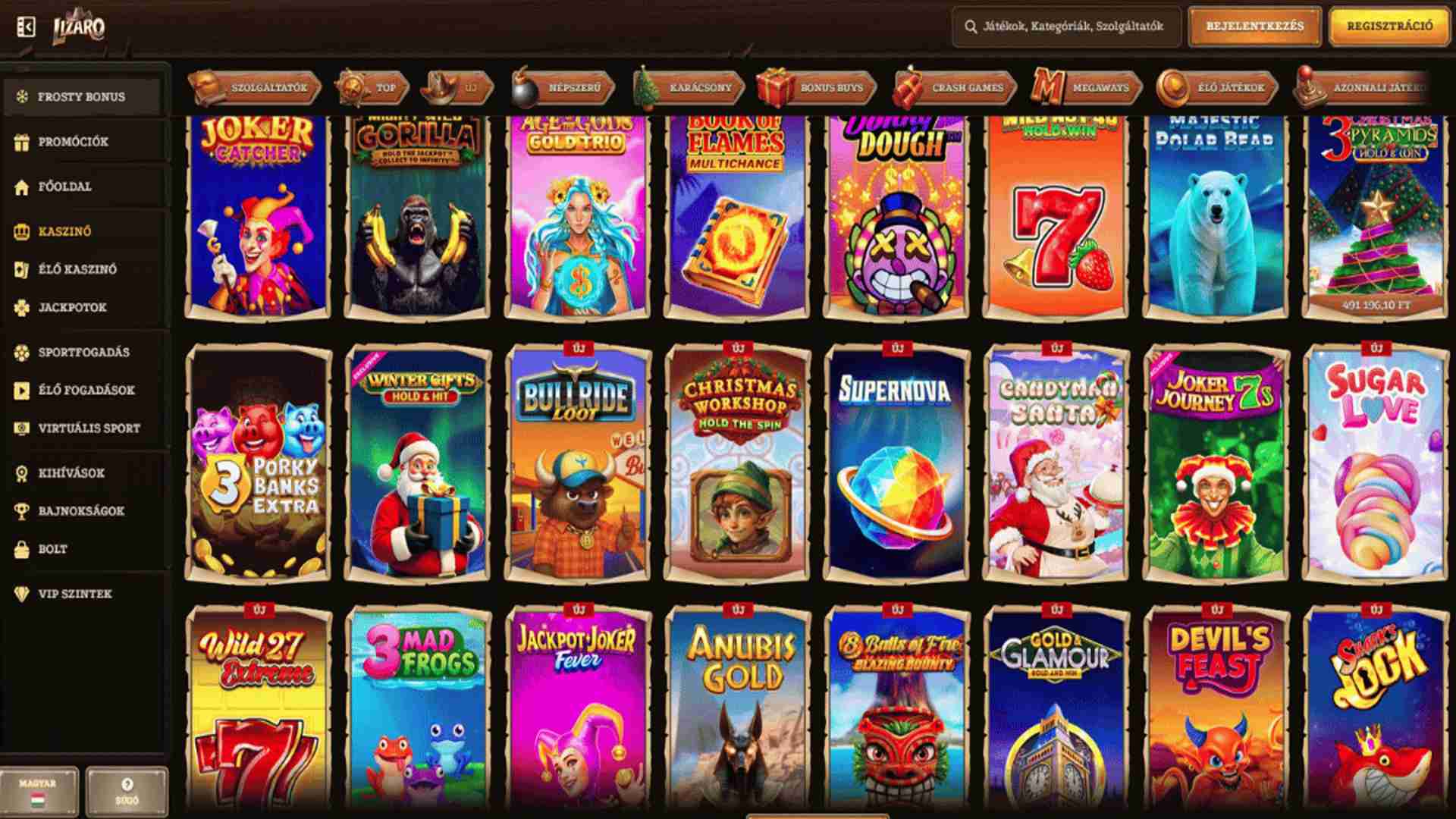
Modern digital ecosystems are shifting away from static milestone structures toward dynamic frameworks that actively respond to user inputs. By implementing systems where milestones adapt to individual styles, developers can cultivate deeper investment and long-term participation. Understanding how these interactive models operate helps platforms build more meaningful journeys for their communities.
The Psychology of Interactive Milestones
Traditional progression mechanics often rely on linear paths where participants receive the same outcomes regardless of their unique approaches. In contrast, interactive progression systems adapt to active choices, ensuring that achievements feel earned rather than pre-determined. This tailored feedback loop significantly boosts user satisfaction by aligning milestones with personal effort.
When virtual milestones reflect the specific strategies employed by a user, the underlying sense of accomplishment increases dramatically. This behavioral design choice prevents engagement fatigue and encourages individuals to explore diverse aspects of a digital environment. As a result, users remain highly motivated to continue their journey over extended periods.
Dynamic Balancing and User Engagement
Maintaining a balanced environment is crucial for digital platforms that cater to both newcomers and highly experienced enthusiasts. By introducing dynamic progression rewards, systems can modify their difficulty levels and payout frequencies to match current user capabilities. This equilibrium ensures that tasks remain appropriately challenging without becoming overly frustrating.
A well-calibrated platform ensures that milestones scale dynamically as participants develop new skills over time. Organizations looking to implement these sophisticated frameworks often look to entertainment platforms for inspiration regarding user retention. Interested individuals can discover interactive progression models by visiting M88 Mansion to observe how modern engagement structures function seamlessly.
Encouraging Exploration Through Choice
Interactive reward features excel when they encourage participants to venture beyond standard operational pathways. By offering non-linear achievements, developers motivate individuals to discover hidden content and experiment with varied operational styles. This design philosophy transforms routine software interactions into highly personalized narratives.
Providing diverse incentives tailored to different archetypes ensures that a wider audience feels recognized. When users realize that their exploration leads to distinct structural outcomes, their curiosity drives continuous activity. This shift from rigid progression to active discovery remains essential for modern platform longevity.
The Future of Algorithmic Progression
As data analytics and machine learning technologies mature, progression frameworks will become increasingly autonomous and predictive. Future systems will likely evaluate user behavioral trends in real-time to generate customized milestones instantly. This level of customization will redefine how interactive platforms sustain community loyalty.
Ultimately, reward structures that support interactive progression represent a necessary evolution in digital product design. By prioritizing player autonomy and adaptive mechanics, creators can establish ecosystems that thrive on authentic participation. Embracing these advanced design principles will ensure long-term relevance in a competitive marketplace.