Sic Bo is a captivating casino dice game that offers players a unique blend of historical tradition and mathematical thrill. While the intricate table layout can initially appear daunting to newcomers, the fundamental mechanics governing the gameplay are remarkably straightforward. Understanding these essential guidelines is the first step toward approaching the game with confidence and clarity.
The Core Objective and Dice Setup
At its heart, the game revolves entirely around predicting the specific outcomes of a single roll involving three standard six-sided dice. Before the roll occurs, participants place their chips on the designated sections of the table grid to represent their selected outcomes. Once all wagers are placed, the dealer activates a sealed container to shake the dice and reveal the winning combinations.
Unlike strategic card games like poker or blackjack, this classic table game relies entirely on pure chance and independent probability. Every individual roll is completely disconnected from previous results, meaning that historical streaks have no mathematical influence on future outcomes. Grasping this reality helps players maintain a realistic perspective while enjoying the fast-paced flow of active sessions.
Mastering the Basic Table Layout
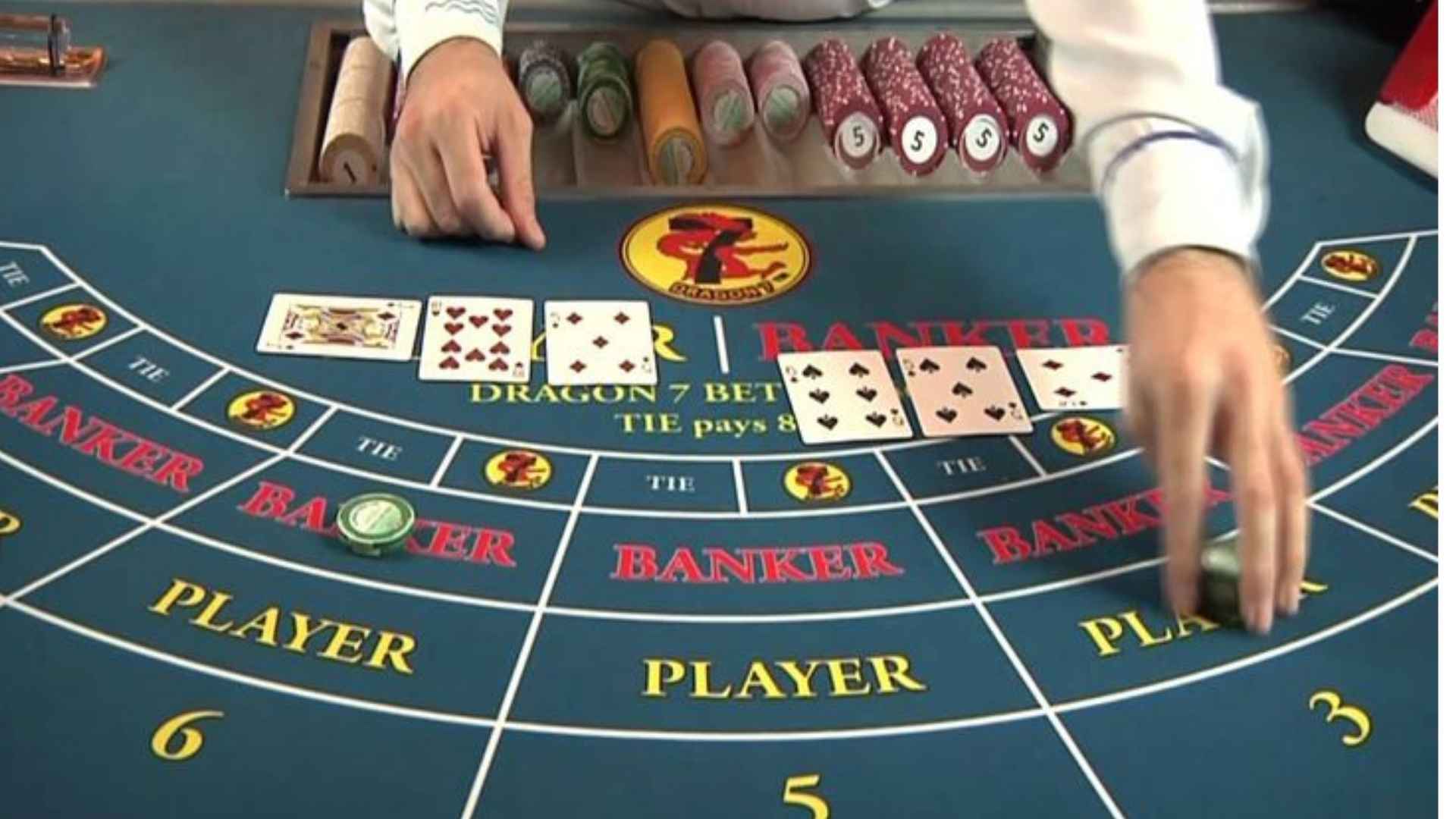
The entire gaming experience is visually mapped out across a comprehensive betting board packed with numerous options. The upper section typically showcases the most popular propositions, while the lower segments present more complex combinations and individual number predictions. Learning how to read this geometric grid step by step allows players to navigate their choices seamlessly.
Every box on the layout clearly details the specific conditions required to win that particular wager along with its corresponding payout. Newcomers should take their time to study these visual cues independently before placing any live capital. Familiarizing yourself with the layout directly reduces confusion and helps prevent accidental wagering errors during intense rounds.
Understanding Small and Big Wagers
For individuals stepping up to the table for the first time, the Small and Big options represent the most practical starting points. A Small bet wins if the combined total value of the three dice falls strictly between four and ten. Conversely, a Big bet covers combined totals ranging from eleven to seventeen, providing a highly stable entry point for beginners.
It is crucial to note that both of these options exclude triples, which occur when all three dice land on the exact same number. Because triples result in an automatic loss for standard even-money wagers, the casino maintains its statistical advantage. Despite this caveat, these foundational choices offer the highest mathematical probability of success on the board.
The Role of Payouts and House Edge
Beyond the simple propositions, advanced participants can explore specific total bets that offer significantly higher rewards. Platforms like M88 Mansion provide a safe and regulated environment to observe how these diverse wagering categories function in real-time environments. These high-yield options naturally come with a steeper house advantage because rolling an exact sum is statistically much more difficult.
The most volatile choices available are specific triple bets, which boast massive payouts alongside the highest house edge on the table. Balancing your overall approach by combining low-risk wagers with disciplined bankroll boundaries keeps the entertainment sustainable over time. Ultimately, achieving longevity at the table depends on understanding these mathematical realities and practicing patience.