Sustaining long-term player engagement requires game designers to move beyond fixed, predictable reward systems. When incentives are dynamic, players experience a sense of discovery that keeps routine activities engaging over extended periods. Implementing variable prize mechanics helps developers maintain enthusiasm without overwhelming players with artificial difficulty.
The Psychology of Evolving Incentives
Unpredictable reward structures tap into core human curiosities by creating anticipation before every outcome. Fixed schedules can cause routine fatigue, whereas dynamic distribution keeps every session feeling unique. This psychological momentum encourages participants to set long-term goals within the gaming environment.
Furthermore, uncertainty prevents the gameplay experience from feeling transactional or rigid. Players focus more on the journey and less on grinding for a static result. This shift in mindset builds a deeper connection between the player and the core mechanics.
Designing Balanced Reward Distribution
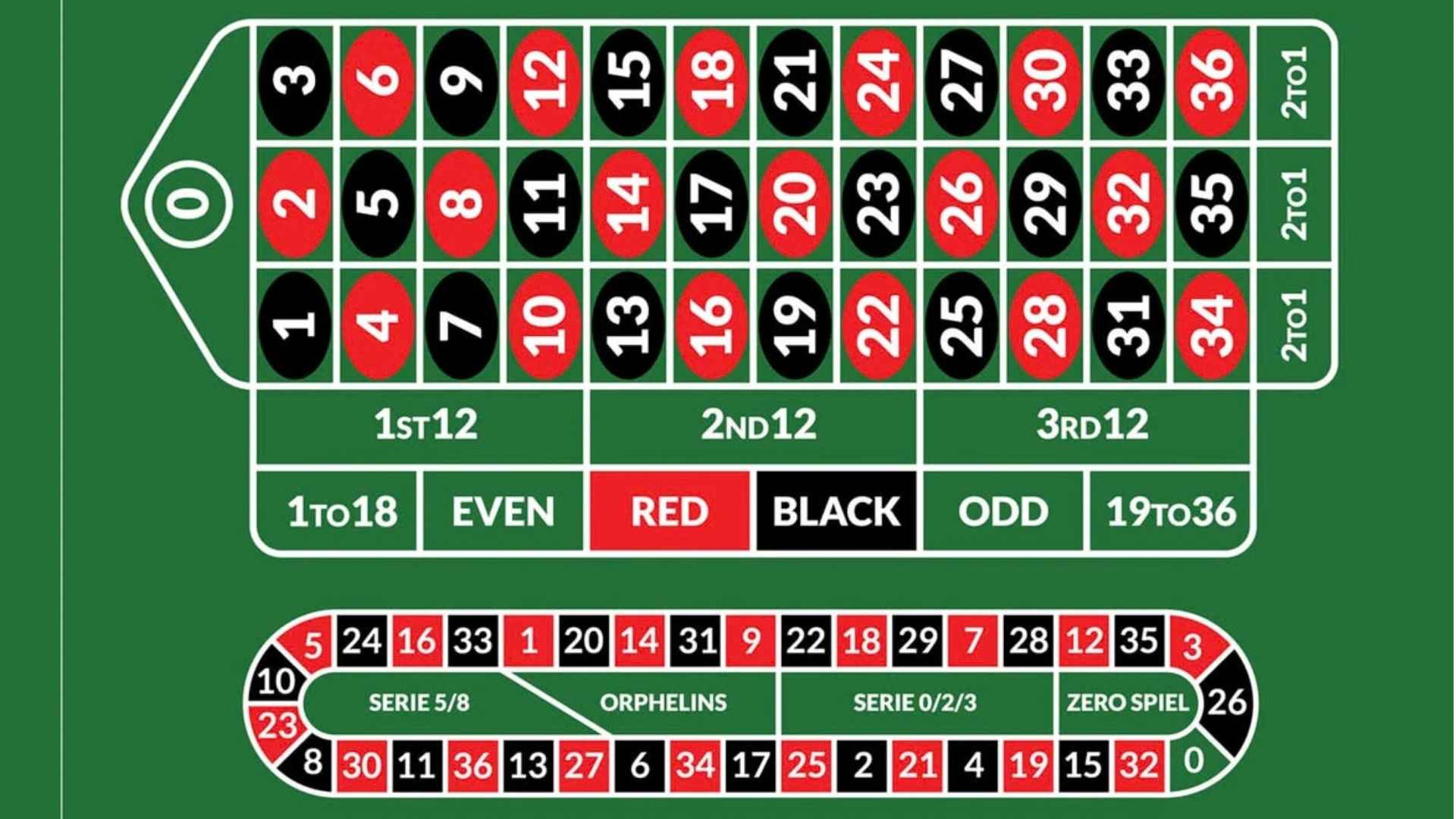
A successful variable reward framework strikes a careful balance between common feedback and rare achievements. Minor incentives ensure steady validation for effort, keeping frustration levels low. Meanwhile, grand prizes offer substantial milestones that players eagerly anticipate over time.
To maintain fairness, developers often combine random distribution with progressive guarantees. For additional industry insights and platform updates, interested readers can access wd boss link alternatif for comprehensive coverage. Modern game design thrives when randomness feels rewarding rather than punitive.
Preventing Player Fatigue Through Variety
Monotony is one of the primary reasons players eventually abandon their favorite titles. Variable mechanics introduce diverse item pools and fluctuating bonuses, ensuring that repetitive tasks yield distinct results. This continuous variation preserves interest across months or years of active participation.
Varied reward models also encourage users to experiment with different strategies and playstyles. When players realize that multiple paths offer exciting surprises, they explore deeper layers of the game. This dynamic keeps community discussion active as members share their unique discoveries.
Building Sustainable Community Ecosystems
Long-term retention ultimately fuels vibrant gaming communities where players exchange tips and celebrate rare drops. When reward distribution feels balanced and dynamic, players maintain trust in the system's equity. This mutual trust forms the foundation of a healthy, growing user base.
As digital entertainment evolves, variable incentive models will remain crucial for developer success. By prioritizing player satisfaction through balanced uncertainty, games build lasting appeal that withstands changing industry trends.